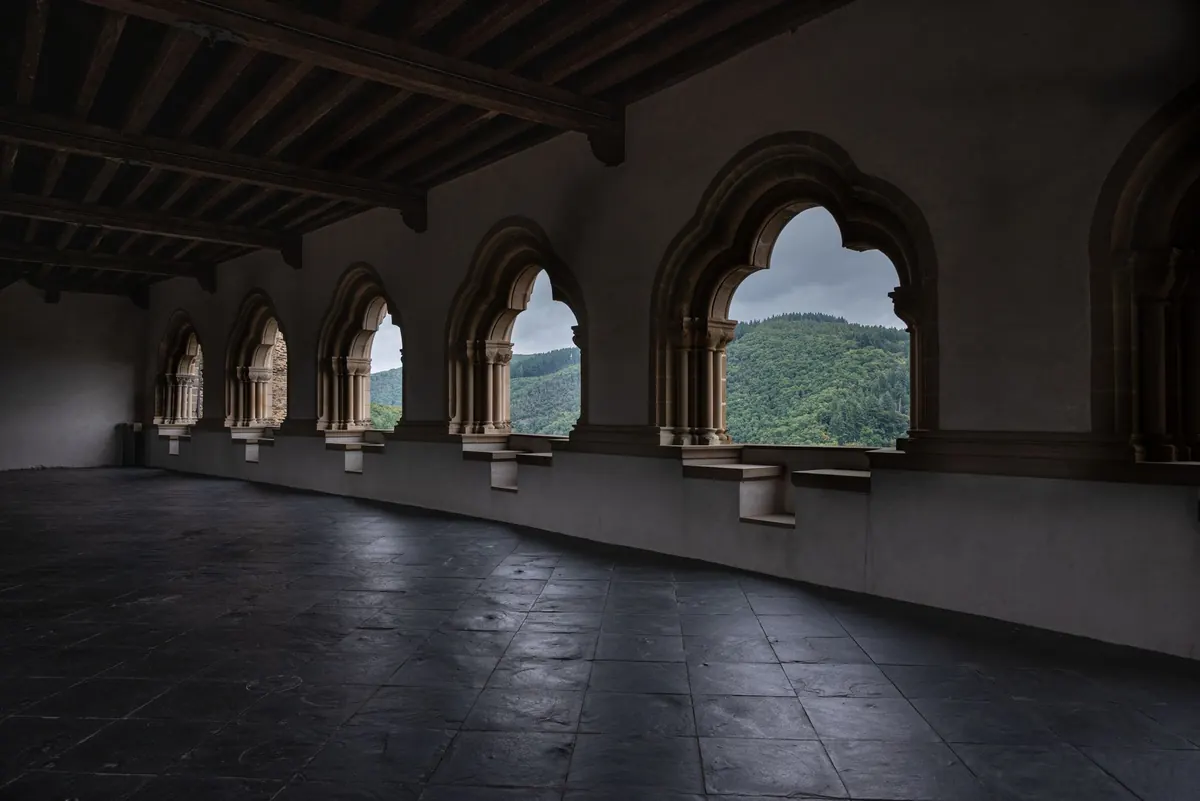
The Legends of Castle Ghosts: Fact, Folklore, and How to Research Them
Ask a castle guide about the ghost and you may hear a name, a date, and a room. Ask an archivist about the same story and you may get a shrug, a footnote, or a completely different century. That gap is where castle ghost legends live: not quite history, not quite fiction, but a form of local memory that changes with each retelling. The pleasure is not in proving or disproving every spook. It is in learning how the story was built, who kept it alive, and what it reveals about the castle and the people around it.
That does not mean you have to choose between enjoying a good ghost story and respecting historical evidence. The most rewarding approach is to hold both at once. You can shiver at the tale of a phantom piper and still ask when the piper was first mentioned in print. You can admire the drama of a cursed noble and still check whether the noble’s dates match the castle’s building phases. Ghost legends reward curiosity more than certainty.
Why Castle Ghosts Endure
Castles are unusually good hosts for ghosts. They are old, cold, layered with building phases, and full of doors that lead nowhere. They have witnessed power, imprisonment, war, childbirth, illness, and sudden death. A ruined tower or a sealed chamber invites explanation. When a guide says a figure walks the stair, the architecture does half the work.
Folklore also likes repetition. A White Lady can appear in a Norman keep, a Scottish tower house, or a Victorian folly. The details change, but the pattern remains: a woman in pale clothing, often tied to a tragic love story or a lost child. Recognising the pattern does not make the story false; it shows storytellers reuse what works.
There is also a practical reason castle ghosts endure. Castles are heritage attractions, and a ghost gives an empty room a narrative. A bare stone corridor becomes a stage. A staircase becomes a place of suspense. A portrait becomes a character. Ghost stories can draw visitors, sell guidebooks, and give local people a way to talk about a building that might otherwise feel remote or aristocratic. The tourist economy does not invent every legend, but it certainly helps them survive.
Common Castle Ghost Legends
Most castle hauntings fit a handful of familiar types. Knowing them helps you spot local variations and ask better questions.
- The White Lady or Grey Lady. Usually a noblewoman, servant, or bride who died unhappily. She may be linked to a portrait, a staircase, or a window. The colour of her dress often changes in different tellings, a clue that the story has travelled. Glamis Castle’s Grey Lady is often identified with Janet Douglas, Lady Glamis, though the ghostly identification hardened only in later retellings.
- The Phantom Drummer or Piper. A musician heard in tunnels, on battlements, or beneath the castle. Edinburgh Castle’s headless drummer is a well-known example. Such figures often attach to sieges, secret passages, or warnings of danger. The phantom piper of Duntrune Castle is another version of the same motif: a musician whose death and music become inseparable from the stones.
- The Wronged Prisoner. A captive who died in a dungeon and now rattles chains or appears at a tower door. The story may name a real prisoner, but the ghostly details usually come later. The Tower of London has so many prisoner legends that they sometimes blur together, with Anne Boleyn, Sir Walter Raleigh, and the Princes in the Tower all drawn into the same haunted geography.
- The Spectral Army. Sounds of marching, horses, or clashing metal on an anniversary. These legends cluster around battle sites, old garrisons, and castles rebuilt on earlier fortifications. A castle may be Norman, but its ghostly soldiers are sometimes Roman, Jacobite, or simply unnamed.
- The Cursed Noble. A lord or lady doomed for cruelty, greed, or a broken promise. Glamis Castle has a rich cluster of such tales, including the legendary Earl Beardie and his card game. The story punishes arrogance and makes the castle’s aristocratic history feel morally charged.
- The Phantom Bell or Drummer Boy. A sound rather than a figure: a bell that rings when disaster is near, or a drum heard before a death. These legends are often family-specific, tied to a particular clan or estate rather than to a national event.
Fact, Folklore, and the Space Between
Historians and folklorists ask different questions. A historian may ask whether a prisoner really died in a particular tower. A folklorist may ask why that tower, that prisoner, and that detail became attached to a story. Both questions are useful. The first tests the documentary record. The second explains why the legend matters to the people who tell it.
Many castle ghost stories contain a grain of documented history. A real murder, a real siege, or a real disputed inheritance can become the anchor for a supernatural tale. Over time, the anchor may drift. A seventeenth-century death becomes a medieval curse. A local woman becomes a White Lady. A private family scandal becomes a public ghost. The story is not simply false; it is a layered record of how later generations remembered, exaggerated, moralised, or commercialised the past.
The nineteenth century was especially important. Gothic literature, spiritualism, and the rise of tourism all encouraged ghost stories. Guidebooks began to include hauntings as visitor attractions. Antiquarians collected local tales, sometimes preserving them, sometimes polishing them. Sir Walter Scott and other writers helped turn Scottish and border legends into romantic national stories. Victorian and Edwardian travellers expected castles to be haunted, and castles often obliged.
A legend can be unverifiable and still be evidence: evidence of what a community feared, mourned, celebrated, or wanted to remember.
That is why the phrase “legend has it” is so useful. It signals that the story is being repeated, not proven. It leaves room for scepticism without dismissing the tale’s cultural value.
How to Research a Castle Ghost Story
If you want to go beyond the tour script, you can research a castle ghost story in much the same way you would research any local legend. The goal is not to debunk it for sport. The goal is to trace its life.
- Start with the castle’s documented history. Learn its building phases, owners, sieges, and major events. A ghost story often makes more sense once you know which parts of the castle are oldest and which are Romantic additions.
- Find the earliest written version. Look in guidebooks, local newspapers, antiquarian journals, letters, and folklore collections. The first printed mention may be much later than the events it describes.
- Compare versions. Note how the ghost’s name, clothing, location, and motive change over time. A story that moves from the great hall to the staircase, or from a murdered servant to a noblewoman, is revealing its own history.
- Check local and national archives. County record offices, national archives, local studies libraries, and estate papers can confirm names, dates, and family relationships. They can also show whether a supposed prisoner ever existed.
- Look for folklore motifs. Motif indexes and folklore society journals can tell you whether a tale is a local invention or a widespread pattern. The White Lady, the phantom drummer, and the cursed card player all have cousins in many countries.
- Interview guides, residents, and local historians. Ask open questions: “When did you first hear this?” “Who told you?” “Has the story changed?” Oral tradition is not a lesser source; it is simply a different kind of source.
- Separate the historical person from the ghost. A real Janet Douglas, Lady Glamis, may lie behind a Grey Lady legend, but the ghost’s behaviour, dress, and message may owe more to later storytelling than to her life.
- Ask who benefits from the story. Tourism, family pride, local identity, and even village rivalries can keep a legend alive. That does not make it untrue, but it helps explain why it is told.
- Cite your sources. If you write or share your findings, distinguish between documented fact, local tradition, and your own interpretation. Good ghost research is honest about uncertainty.
Questions to Ask in an Archive or Local Studies Library
- When was the ghost first mentioned in print?
- Who recorded the story, and what was their purpose?
- Does the story appear in guidebooks, newspapers, private letters, or oral history recordings?
- Has the haunting’s location changed within the castle over time?
- Is the ghost tied to a named historical person or only to a type?
- Are there similar stories at neighbouring castles or estates?
Visiting with a Researcher’s Mind
A castle tour can be excellent fieldwork. Listen closely to how the guide frames the story. Words like “it is said,” “legend has it,” or “some believe” are clues that the guide is presenting tradition rather than fact. Notice which parts of the castle are emphasised: the staircase, the dungeon, the bedroom, the chapel. Architecture shapes atmosphere, and atmosphere shapes memory.
Ask questions without turning the tour into a debate. A guide may know far more than the script allows them to say. You might ask, “Is there an early written source for that?” or “Does the story appear in the estate records?” You may get a fascinating answer, or you may get a shrug. Both are useful.
Respect the rules and the people. Some castles are private homes, some are ruins with dangerous masonry, and some communities hold these stories as part of their identity. Do not trespass, do not mock local beliefs, and do not treat a graveyard or a clan burial ground as a stage set. Curiosity should be generous, not predatory.
Why These Stories Matter
Castle ghost legends are not just entertainment, though they are certainly that. They are also a form of local memory. They preserve the names of people who might otherwise be forgotten: servants, prisoners, musicians, jilted brides, and minor nobles. They give voice to old anxieties about power, injustice, and sudden death. They turn stone walls into stories.
At the same time, they can distort history. A good ghost story is selective. It remembers the dramatic death and forgets the ordinary life. It turns complex people into symbols. Research does not have to destroy the pleasure of the tale. Done well, it deepens it. You begin to see the ghost as part of the castle’s long afterlife: a figure made from architecture, archive, rumour, and imagination.
So the next time a guide lowers their voice and says a lady in grey walks the stair, enjoy the moment. Then, if you are curious, go and find out when the lady first appeared, who first named her, and why she chose that particular stair. The answer may be stranger, sadder, or more revealing than the ghost itself.
Photo: NIKOLAOS IOANNIDIS / Pexels